
Corporate design: what it is, why it matters & how to get it right
Contents
What is corporate design?
Corporate identity vs corporate design
Why corporate design matters
The core elements of effective corporate design
How corporate design shapes customer perception
Common corporate design mistakes
The corporate design process
Corporate design examples
When should you refresh your corporate design?
Corporate design with
The Graphic Design House
Follow us
A strong corporate design does far more than shape how your business looks – it creates the visual structure that helps people recognise, trust and understand you from the first moment.
As expectations rise and competition remains constant, a clear, consistent design system brings order to every touchpoint and makes your brand feel more intentional. It gives your team a shared foundation to work from and helps customers connect with you quickly and confidently.
What is corporate design? A simple explanation for modern businesses
Corporate design is the visual layer of your corporate identity, in other words: the first thing people see. It covers the colours, typefaces, imagery, layout systems and visual rules that shape how your brand appears in every setting. For modern businesses, it’s less about decoration and more about clarity, consistency and confident communication.
A strong corporate design system makes your brand easier to recognise and gives your team a practical toolkit to work with every day. When it’s done well, your brand feels more intentional, more unified and much easier for customers to connect with across different touchpoints.
Corporate identity vs corporate design: what’s the difference?
Here are the key differences between corporate identity and corporate design, set out clearly to show how each plays a distinct role in shaping a brand.
|
Corporate identity |
Corporate design |
|
Defines who you are as a business |
Shows how that identity looks |
|
Covers purpose, values and personality |
Covers visual elements like logo, colour and typography |
|
Sets the intention behind the brand |
Expresses that intention visually |
|
Acts as the blueprint |
Becomes the finished architecture |
|
Answers the question ‘who are we?’ |
Answers the question ‘how do we look?’ |
The two often get muddled, but when you understand the distinction, you can start building a visual system that supports your wider story rather than simply decorating it.
Why corporate design matters: the business impact
Corporate design has real commercial impact. A consistent, unified visual system helps build trust quickly, which influences customer choices. When people recognise your brand at a glance, you remove friction from their decision-making and strengthen their confidence in your offer.
A clear design system also helps your team work more efficiently, keeps messaging aligned and stops your brand drifting as you grow. In a competitive market, strong corporate design signals reliability, professionalism and focus, making it a major driver of recognition, loyalty and long-term ROI.
The core elements of effective corporate design
When your design elements work together, they create a system that’s flexible, recognisable and simple for you and your team to apply.
Colour palettes & accessibility considerations
Your colour palette sets the tone for everything you produce. When it’s cohesive, it reinforces your brand across logos, imagery, typography and patterns. Accessibility is just as important, from colour contrast to readable type sizes and layouts that make sense.
Your design system also needs to adapt to where it’s used – mobile screens, websites, printed magazines or quick-turnaround postcards. The strongest systems stay consistent without feeling rigid, adjusting to each platform without losing their identity.
Brand guidelines
Brand guidelines are there to make your life easier. They explain how your visual assets should be used across digital, print and social, covering everything from imagery and iconography to tone of voice, typography hierarchy and illustration style.
Good guidelines give your team confidence and reduce mistakes. They also include examples, templates and practical tools that help you protect your brand without stifling creativity.
Logo design
Your logo should be instantly recognisable, even at small sizes. It needs to work in full colour, mono, on-screen, in print and even on merchandise or embroidered clothing.
Creating a set of variants – horizontal, stacked and icon-only – helps your logo flex to different situations without losing its meaning. More importantly, it should feel like a natural reflection of your brand values and personality.
Brand application
A great corporate design system should work everywhere you need it to. To perform consistently across digital channels, it needs to account for different screen sizes, from mobile to desktop, as well as how colour palettes appear in RGB across devices. Clear rules for typography, layout and logo use help maintain recognition across websites, social and advertising assets, including motion and animation.
In print, consistency comes from the accurate use of CMYK colours and designs that adapt comfortably across your brand’s formats, such as brochures, magazines and business cards. The same system should also extend into physical spaces – like events and signage – where scale, contrast and legibility in varying light conditions become essential. When digital, print and physical applications are built from one corporate design system, the brand feels cohesive – wherever it appears.

How corporate design shapes customer perception
Your corporate design shapes what customers think of you before they’ve even read a word. It influences the tone, expectations and emotional response they bring to every interaction.
A polished, consistent design system helps you appear more credible, professional and trustworthy, making you stand out from your competitors. When your visuals match your values and purpose, customers understand you more quickly and feel more confident choosing you. A disjointed or outdated system can have the opposite effect, creating confusion or doubt at the wrong moments.
Read more about: Corporate branding that builds trust and growth
Common corporate design mistakes (and how to avoid them)
Some issues crop up again and again when it comes to corporate design. Here are some common mistakes:
- Inconsistency across touchpoints: This is often caused by teams working without clear rules. And could be avoided by creating standard visual design assets, with their place in the business clearly stipulated in the guidelines.
- Overcomplicated visuals: These can make your brand harder to use at scale. Simplify your designs and test them in real scenarios.
- Accessibility problems: Designs that don’t translate well to digital or mobile platforms can cause inconsistencies. Solve this by ensuring your designs translate well into all of your touchpoints.
- Lack of usable guidelines: Without them, your team may struggle to apply assets correctly, causing brand drift and inefficiency. By building clear guidelines, you can support your team in day-to-day use.
The corporate design process: how TGDH delivers results
Our approach follows a clear process designed to align your visual identity with your strategic goals.
- Discovery and understanding: We start by learning about your business, your marketing aims and your audience. This helps us understand the direction your brand needs to take.
- Visual exploration and briefing: Once the brief is defined, we explore ideas that support your tone, personality and wider positioning.
- Concept development: This is where we produce multiple design routes. Usually, one or two reflect what you have in mind, while another explores a more unexpected direction. Every concept is created to work across digital and print, even if you haven’t asked for both.
- Rollout and design: The culmination of the whole process. We can provide print-ready files if you’re working with your own supplier, or we can handle everything in-house for a smoother experience. We also help with campaign rollout so your brand stays consistent at every step, while you stay stress-free.
Corporate design examples & applications across industries
Corporate design can be shaped to suit almost any sector, from finance and retail to technology, hospitality and professional services. The same principles can influence everything from websites and packaging to annual reports, events, social content and internal documents. This flexibility is what makes a solid design system so valuable: it keeps your brand recognisable and effective wherever it appears.
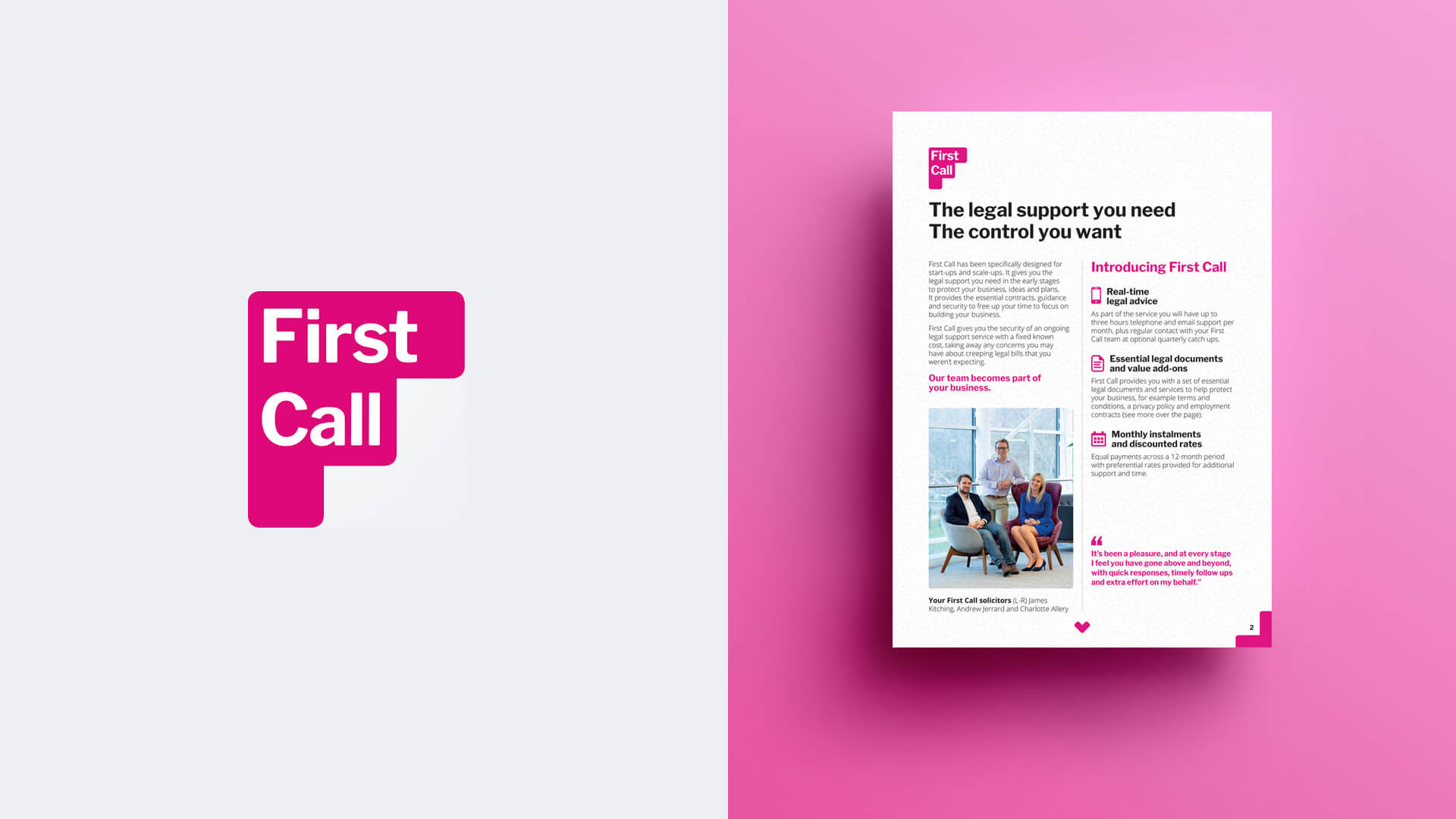
Here are two examples of corporate designs we’ve done:
- Williams & Co is an award-winning plumbing and heating merchant. We helped them achieve consistency across all touchpoints and locations, from digital templates to point-of-sale signage.
- Coffin Mew is a law firm that wanted to do things differently. We helped them reflect both professionalism and personality, while giving them a distinctive presence in a traditionally conservative market.
When should you refresh your corporate design?
You might consider a refresh if you’re entering new markets, growing quickly or dealing with inconsistent materials across teams. Outdated assets often struggle with digital requirements, creating confusion for customers and inefficiencies internally.
Mergers, repositioning or major strategic changes are also good reasons to review your design system. If your brand no longer reflects who you are, or who you want to be, it’s usually time for a rethink.
Corporate design with The Graphic Design House: a modern, strategic approach
At The Graphic Design House, we take a strategy-first approach to corporate design. We build systems that are modern, scalable and practical for everyday use.
As a digital-native team, we create visual frameworks that work across every channel, backed by clear guidelines and end-to-end delivery. Our goal is to give you a design system that brings clarity, consistency and confidence to your brand as it grows.
Get in touch to talk about taking a fresh approach to your corporate design.
More insights
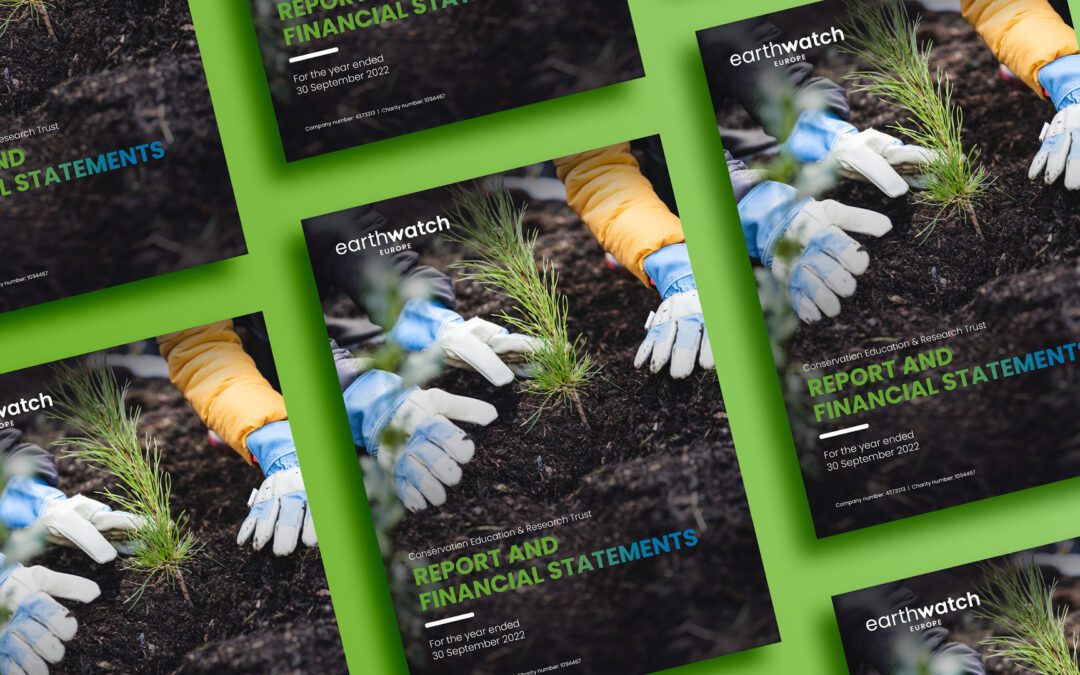
Types of impact reports every organisation should know
Explore the different types of impact reports and how the right design approach improves clarity, credibility and engagement
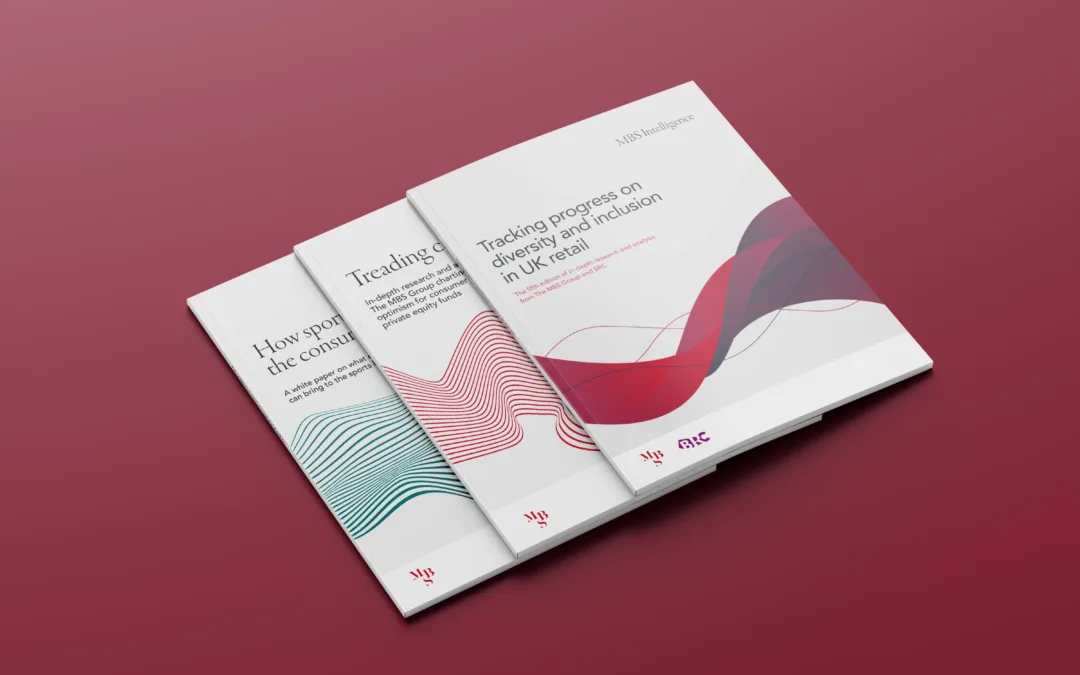
Impact report vs annual report: what’s the difference?
Not sure whether you need an impact report or an annual report? Explore the differences, benefits and design considerations for both.
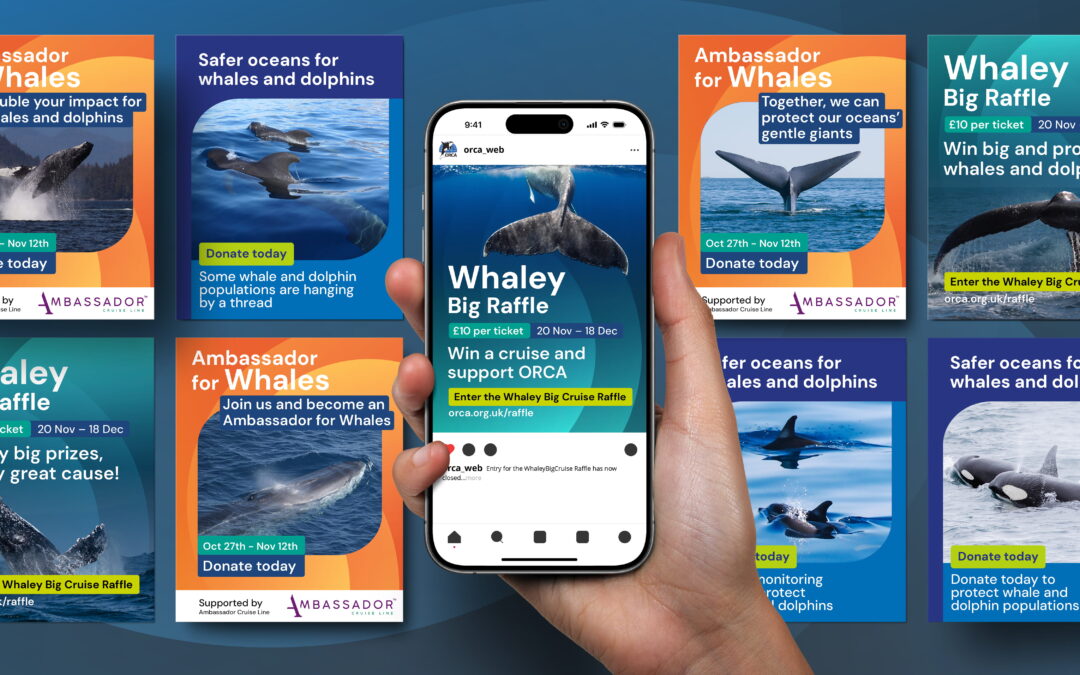
Charity fundraising ideas: how strong branding and design drive greater impact
Discover how strong branding and strategic design turn simple fundraising ideas into powerful charity campaigns that build trust, engagement and donations.