
Catalogue design: how to create catalogues that inform, engage
and sell
Contents
What catalogue design involves
Catalogue design structure: how information should flow
Types of catalogue design and when to use them
Print catalogue design vs digital catalogue design
Catalogue design services at The Graphic Design House
Follow us
Catalogue design is about far more than arranging products neatly on a page. At its best, it’s a structured communication tool that helps people understand an offer, navigate information quickly and make confident buying decisions. Whether printed or digital, a well-designed catalogue needs to work hard to support usability, reflect brand values and drive commercial outcomes.
If you’re responsible for producing catalogues that need to perform, not just look good, it’s important to understand what effective catalogue design involves, how information should flow and why different catalogue types require different design approaches.
What catalogue design involves
Good catalogue design starts with structure, not styling. Before typography, colour or imagery come into play, the priority is organising content in a way that makes sense to the reader.
At a practical level, this includes:
- Clear content hierarchy: Products, descriptions, pricing, specifications and supporting information all need defined levels of importance. When hierarchy is handled well, readers instinctively know where to look first and how to move through the page without unnecessary effort.
- Grid systems and consistency: Grids underpin clarity. Consistent layouts make catalogues predictable to use, helping readers scan and compare information across spreads while allowing flexibility for different product types or content lengths.
- Typography designed for readability: Typeface choice, sizing and spacing directly affect how accessible a catalogue feels, particularly where information density is high. Well-considered typography keeps detail-heavy content clear rather than overwhelming.
- Purposeful image use: Imagery should clarify, demonstrate scale or highlight features, not act as decoration. When images align closely with copy, they reinforce understanding and reduce the need for excessive explanation.
- Alignment with brand guidelines: Consistent use of colour, tone and visual style builds familiarity and trust, especially for repeat customers or long-term clients.
Catalogue design structure: how information should flow
A catalogue should guide readers smoothly from start to finish. That journey begins with logical sequencing. Grouping products by category, application or user need helps people find what they’re looking for quickly, rather than forcing them to hunt.
Navigation tools play a crucial role, particularly in larger catalogues. Indexes, section dividers, colour coding and visual markers all help orient the reader and reduce friction.
Designing for scanning is just as important. Most readers won’t read every word, so clear headings, concise descriptions and consistent formatting allow information to be absorbed quickly without losing detail.
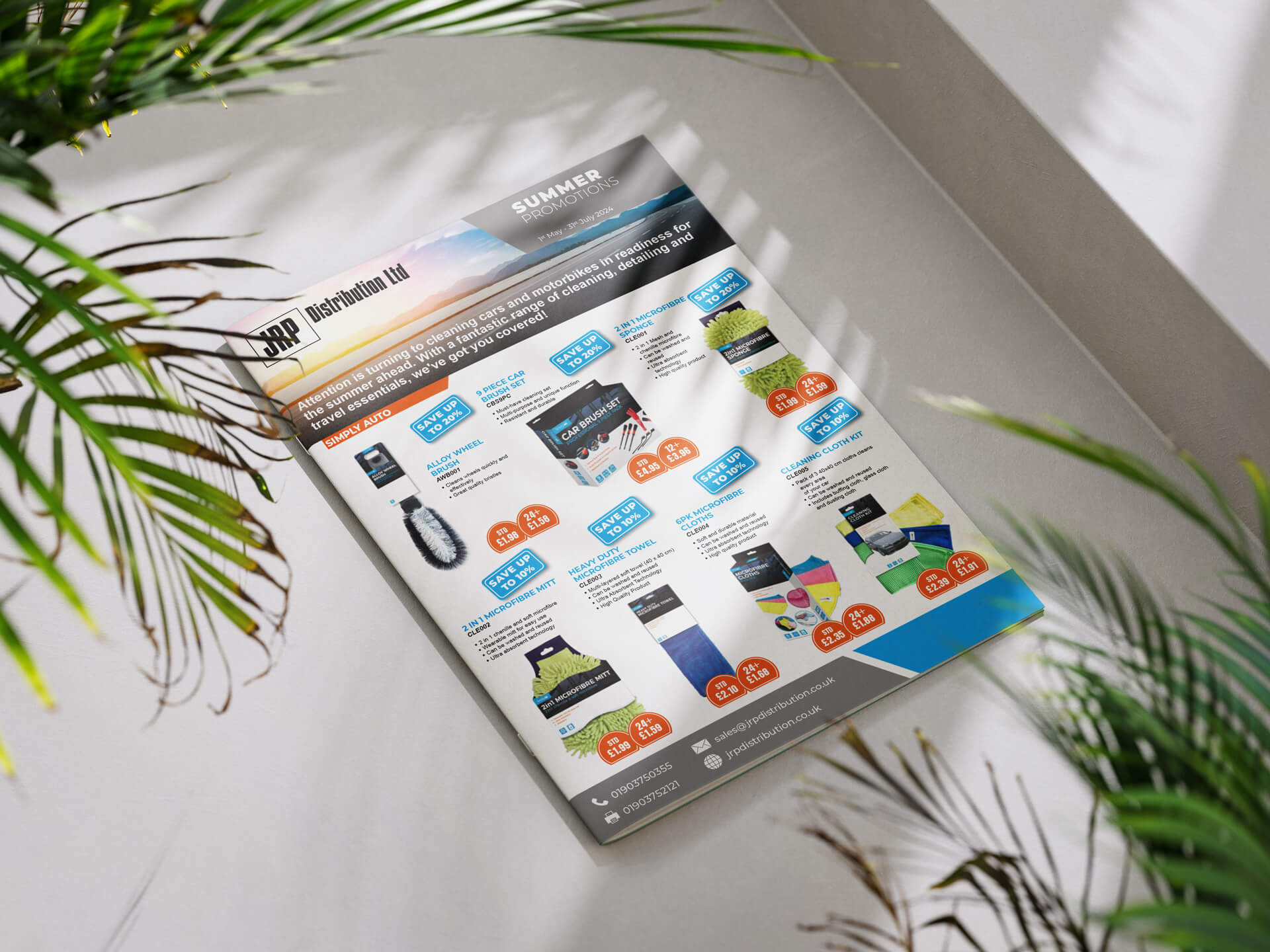
Effective catalogues also support decision-making directly. Calls to action should be clear and purposeful, not bolted on as an afterthought. In our project for JRP Distribution Ltd, for example, we created a range of call-to-action elements, from promotional blocks to best-seller highlights, directing readers to the website and social channels. This ensured the catalogue was not only informative but also actionable.
Types of catalogue design and when to use them
Different catalogues serve different roles and the design should always reflect that purpose.
Product catalogues
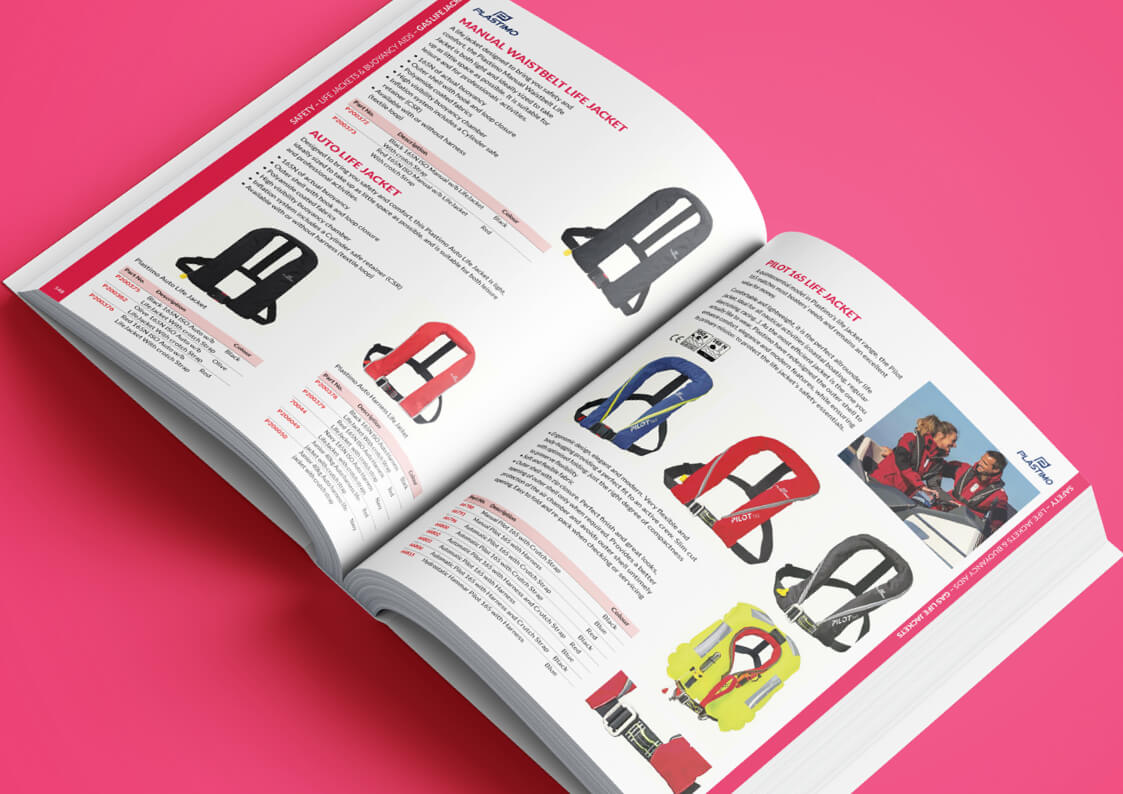
Often information-heavy, product catalogues cover large ranges with technical detail. Common in B2B and retail settings, they prioritise clarity, consistency and comparison. Structured layouts, clear specifications and repeatable formats help users evaluate options efficiently.
Sales catalogues
Sales catalogues take a more focused approach. Rather than showing everything, they highlight selected products or offers designed to convert. Layouts are more dynamic, with stronger emphasis on pricing, promotions and calls to action. Hierarchy, white space and imagery are used to draw attention quickly.
Brand catalogues
Brand catalogues are led by storytelling. They’re less about volume and more about perception, often used to position a business or range as premium. Design leans into imagery, tone and pacing, creating space for narrative content alongside product information.
Seasonal or campaign catalogues
These time-sensitive tools support specific marketing activities. Their design needs to feel current and relevant, often incorporating campaign messaging, seasonal themes or limited-time offers. Flexibility is key, as content is frequently refreshed.
Digital catalogues
Digital catalogues introduce further possibilities. We use software like Issuu to incorporate interactive elements such as links, embedded video or audio, which add depth and convenience. Design must account for screen-based reading and different device sizes, but the principles of structure and clarity still apply.
In every case, design decisions should support the catalogue’s role, audience and lifespan.
Print catalogue design vs digital catalogue design
Print catalogues offer longevity and tactile impact. They work particularly well in sales environments, at events or where physical presence reinforces credibility. A well-produced print catalogue can stay on desks or shelves for months, extending its value beyond initial distribution.
Digital catalogues excel in accessibility and adaptability. They’re easy to update, simple to distribute and capable of supporting interactive content, making them ideal in areas where information changes frequently.
Print requires CMYK colour, high-resolution imagery and fixed dimensions, while digital design is more suited to RGB colour and must account for varying screen sizes and optimised file weights. At The Graphic Design House, we take these considerations into account from the outset, ensuring designs can be adapted smoothly later, even if print isn’t confirmed at the start.
Read more about: Publication design that works for your brand and audience
Catalogue design services at The Graphic
Design House
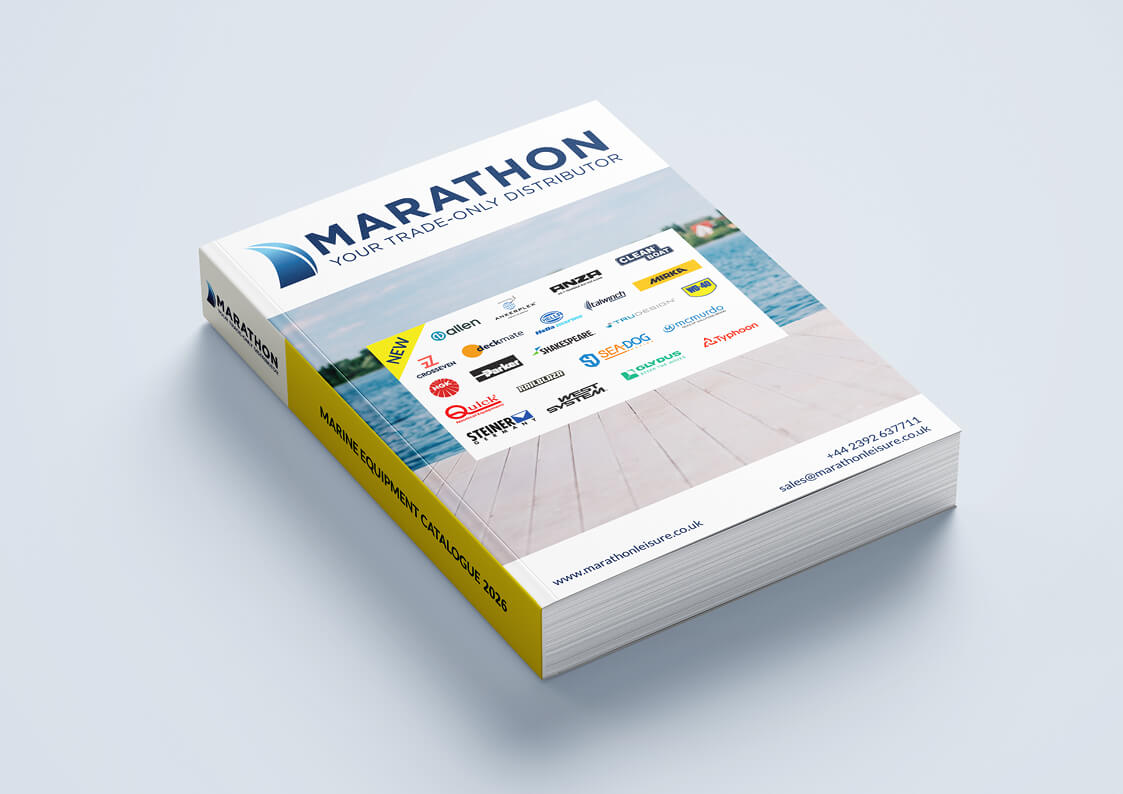
We approach catalogue design strategically, not transactionally. We start by understanding what the catalogue needs to achieve, how it will be used and who it’s for. From there, we design structures, layouts and content flows that support clarity, usability and commercial performance.
Whether you need a complex product catalogue, a focused sales tool or a brand-led publication, we design catalogues that work hard for your business, not just your brand. If you’re planning a new catalogue or reviewing an existing one, get in touch to talk through what you need it to do.
More insights
Annual report design: trends & best practices 2026
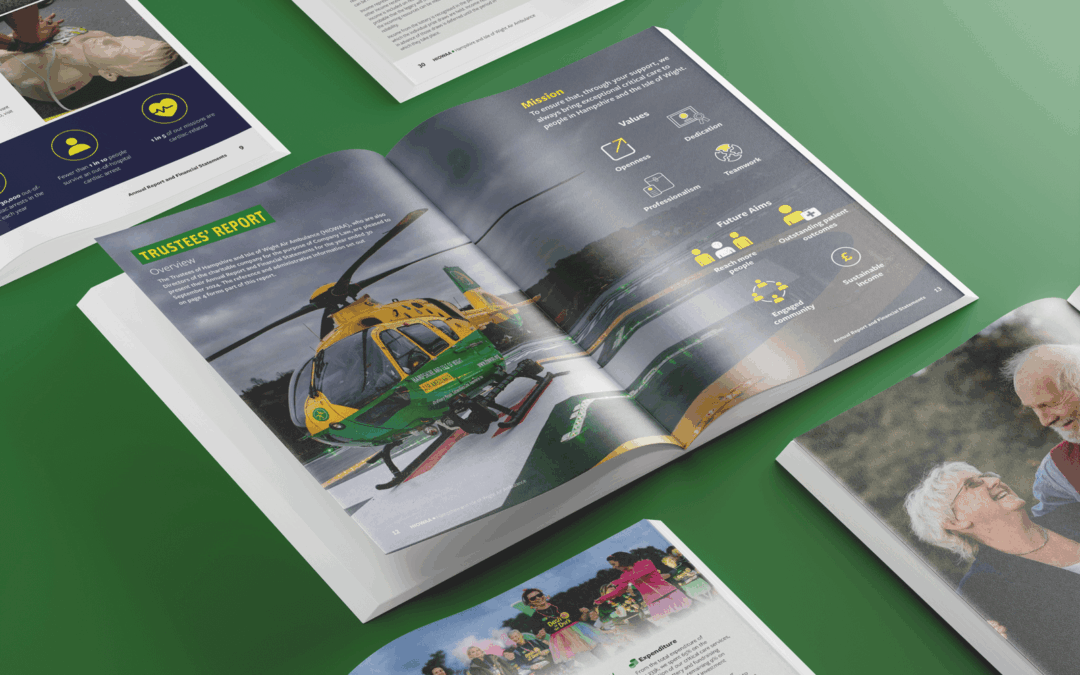
Explore annual report design trends for 2026, plus best practices that improve clarity, accessibility and stakeholder confidence.
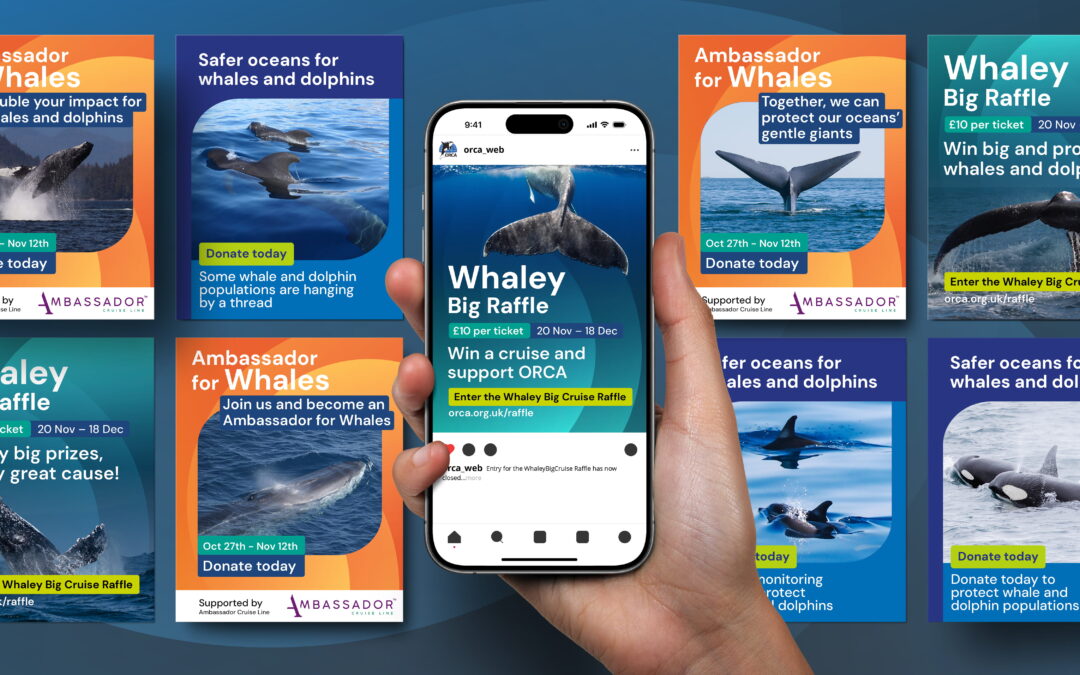
Charity fundraising ideas: how strong branding and design drive greater impact
Discover how strong branding and strategic design turn simple fundraising ideas into powerful charity campaigns that build trust, engagement and donations.
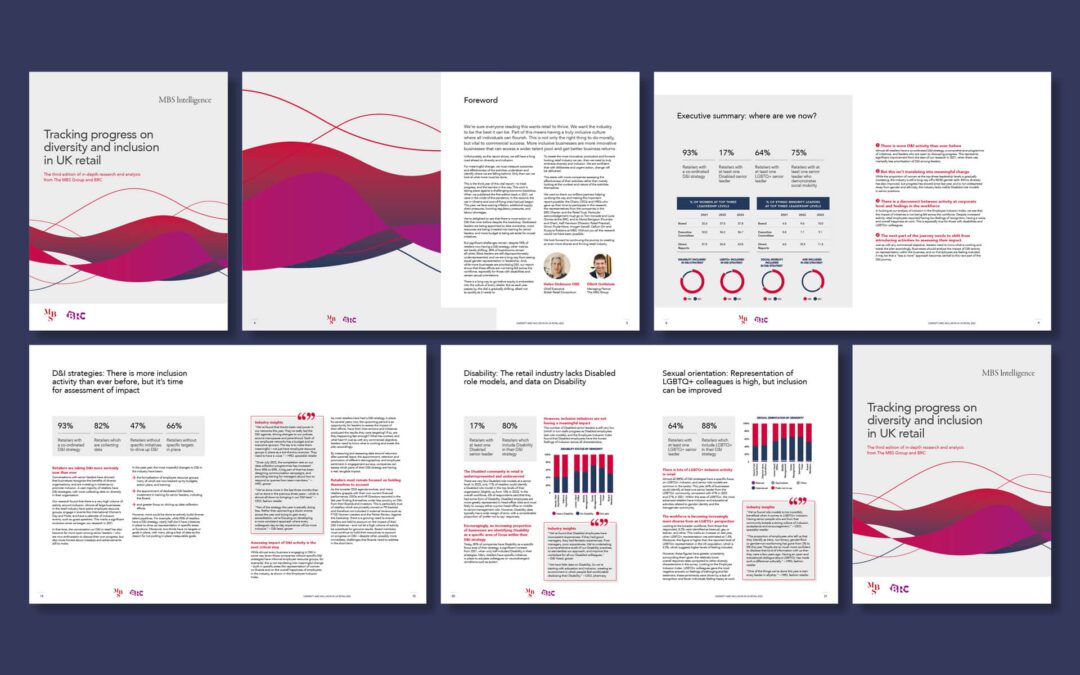
Corporate design: what it is, why it matters & how to get it right
Learn how corporate design strengthens recognition, builds trust and helps your brand perform across every touchpoint with a clear, modern visual system.