
Graphic design and illustration: key differences & uses
Contents
Why graphic design and illustration matter to business growth
Graphic design vs illustration: what you need to know
When businesses should invest in graphic design
When illustration creates a competitive advantage for brands
Graphic design vs illustration for business needs
How to choose between graphic design and illustration
Real business use cases
How we help businesses leverage graphic design and illustration effectively
Choosing the right creative direction for your brand
Follow us
Graphic design and illustration create visual communication, shaping how audiences understand, trust and remember your brand. Yet the terms graphic design and illustration are often used interchangeably, even though they play very different roles in shaping how a business presents itself.
Knowing where each discipline excels can help you build clearer messaging, stronger brand consistency and creative work that truly supports your brand’s growth.
Why graphic design and illustration matter to business growth
Visual communication is one of the clearest competitive differentiators between brands. Customers judge a company’s professionalism, reliability and value long before they read a single line of copy. Yet, many businesses still struggle with the basics of consistent branding, clear messaging and assets that work across every channel.
In reality, the challenge is often internal. Teams create their own visuals, different departments use different templates and DIY design software results in well-meaning but inconsistent output. All of this can weaken brand confidence and make campaigns harder to scale.
Understanding the difference between graphic design and illustration could help you sharpen your brand presence, improve conversion and avoid wasted time. At The Graphic Design House, we take a strategic approach, aligning both disciplines to create brand consistency and a standout visual representation.
Graphic design vs illustration: what you need to know
Graphic design shapes communication by focusing on clarity, structure, hierarchy and brand coherence. When done well, it improves comprehension, increases conversion and creates a recognisable visual identity for your business. It also balances creativity with function, ensuring design supports your commercial goals.
Illustration adds a different dimension to visual communication by creating an emotional connection, brand character and enhancing storytelling. It can express ideas that don’t translate well through photography or text. By helping your brand feel more human and distinctive, illustration gives your campaigns a style audiences will remember.
Many businesses, however, blend the two unintentionally. They hire illustrators for design tasks or ask designers to produce illustration-led assets. This mismatch leads to wasted budget and results that fall short.
Understanding the distinction between graphic design and illustration ensures the right investment, the right talent and the right outcomes.
Read more about: Graphic design trends | Creative insights by TGDH
When businesses should invest in graphic design
Graphic design becomes essential when you need to communicate clearly and produce high-quality assets at scale. It’s the foundation of your visual identity and the mechanism that keeps every department aligned.
Design drives measurable value in areas such as brand identity execution, multi-channel campaign assets and website UX/UI, where clarity and usability matter. It shapes the structure of investor decks, internal presentations and product collateral.
High-volume social content also relies on strong design to maintain consistency across formats. Print materials – from brochures to sales packs and exhibition graphics – also benefit from graphic design, ensuring a cohesive message everywhere your brand appears.
The benefits are clear: faster production, stronger campaign performance, fewer design bottlenecks and better brand recognition. When design foundations are strong, teams work quickly, communication improves and creative assets do more of the heavy lifting.
When illustration creates a competitive advantage for brands
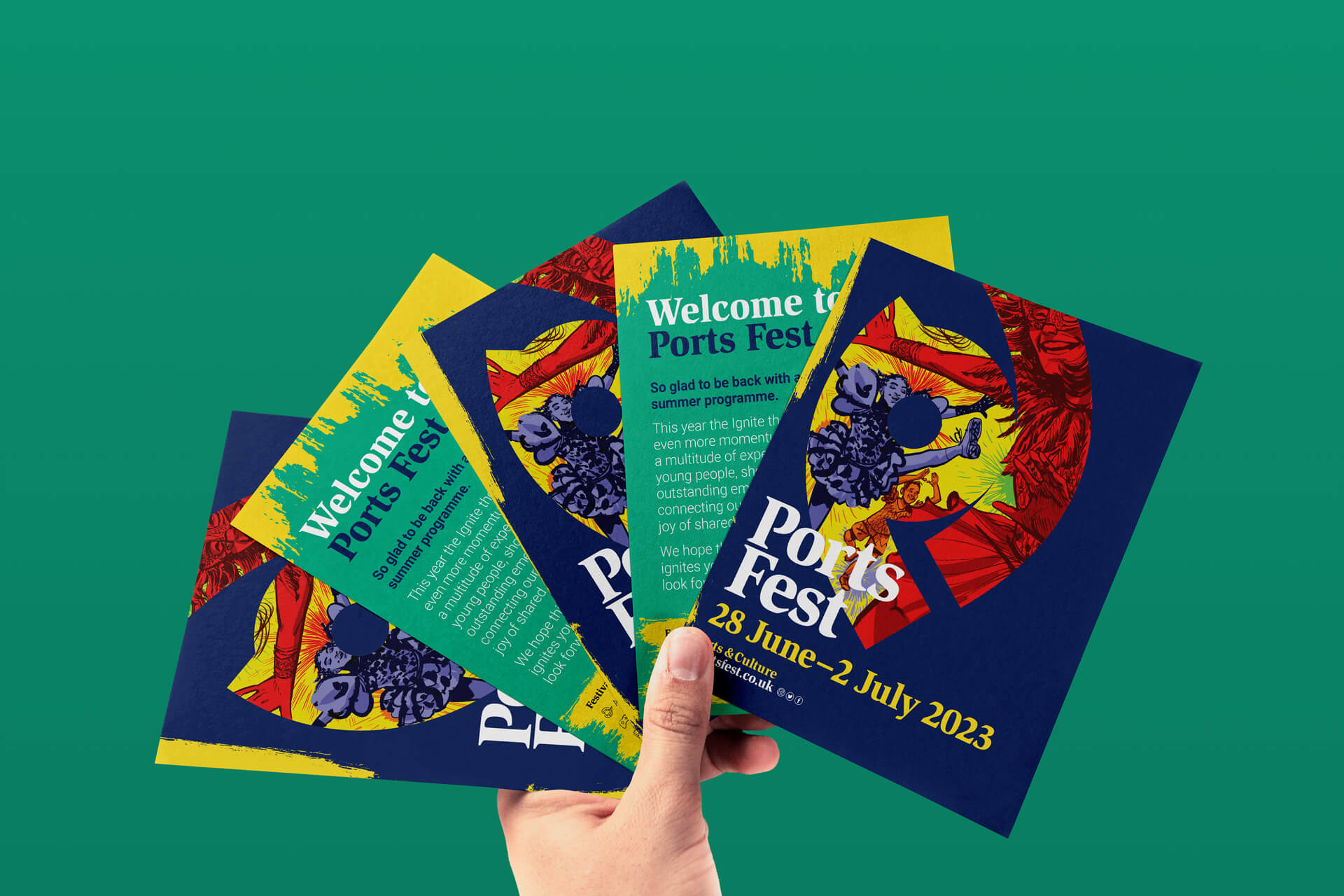
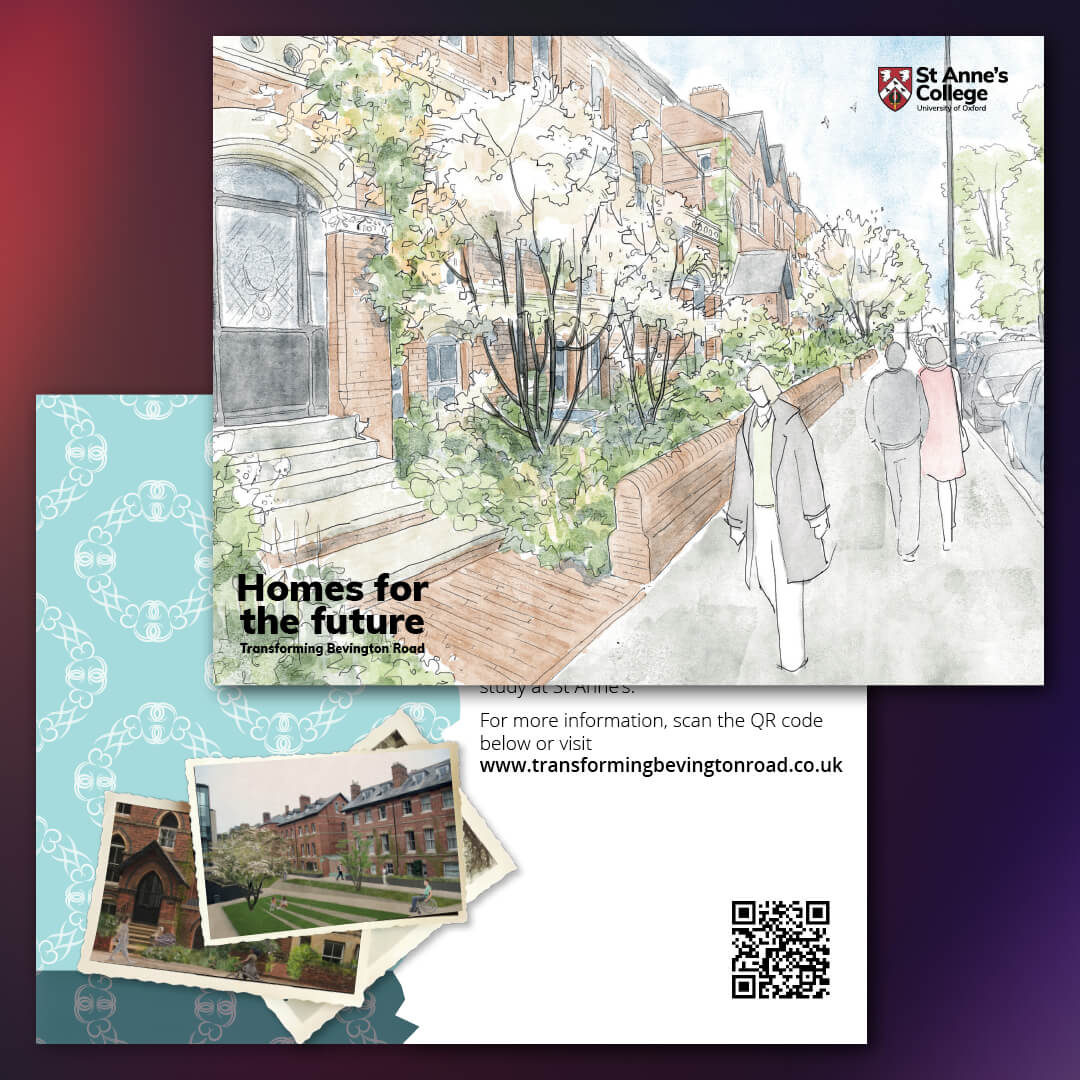
Illustration helps you stand out when the market feels crowded or saturated. It allows you to show rather than tell, giving products, messages and campaigns more personality. If you’re looking to build long-term recognition, illustration can create characters, scenes or visual motifs that become instantly associated with them.
It can improve onboarding tools, explainer materials and product diagrams by turning complex processes into simple visuals that audiences grasp quickly. Internal culture communications also benefit from illustration, making values and behaviours feel more engaging and inclusive.
Illustration often makes content easier to follow and more engaging. It can help people connect with a brand on a more human level. When it sits within a wider creative approach, it contributes to a clearer sense of identity that holds up beyond a single campaign.
Graphic design vs illustration for business needs
Here’s a clear comparison showing how each discipline behaves in practice without oversimplifying the differences.
| Factor | Graphic design | Illustration |
| Primary purpose |
Focuses on organising information so it’s clear, structured and easy to act on. Shapes how messages appear across channels and ensures they’re understood quickly. |
Conveys ideas through storytelling, tone and emotion. Adds character to messages that benefit from warmth, depth or a more human feel. |
| Best for |
Campaigns needing consistency, UI layouts, brand guidelines and assets that must follow a defined structure. Ensuring teams produce aligned visuals at pace. |
Brand characters, narrative-led explainers, internal culture communications and any message that needs visual personality or a more engaging approach. |
| Scalability |
Highly scalable because it relies on repeatable systems, templates and rules. Works well for high-volume asset production across departments. |
Scalable with a managed illustration style, though it requires tighter control to keep character, tone and visual details consistent as usage increases. |
| Business impact |
Makes communication clearer, more professional and aids conversion. Strengthens alignment across teams, reducing design bottlenecks and supporting faster delivery. |
Helps brands stand out, supports a clearer understanding of complex ideas and creates visuals that audiences remember long after they engage with them. |
How to choose between graphic design and illustration
The next question is: when does your business need to focus on graphic design and when should you prioritise illustration?
Graphic design is likely to be the best bet if your goals include structured communication, multi-channel scalability and maintaining speed and consistency across teams. Strong design ensures every asset looks like it belongs to the same brand, regardless of who produces it or where it appears.
Illustration could be preferable if you want to create an emotional impact, stand out visually or simplify something complex. It brings warmth, personality and depth, helping you capture attention and explain ideas that would otherwise feel abstract.
Often, the best answer is a hybrid approach. Many brands create flexible but consistent visual toolkits by combining illustration and graphic design. Many of our clients take this route because it gives them creativity and control without compromising quality.
Real business use cases: how brands combine design and illustration for better results
For Victory Live, our focus was to design for print, where we created character illustrations to appeal to children. By combining creative storytelling with educational design, we helped Victory Live turn science into an adventure, sparking curiosity and inspiring the next generation of museum visitors.
For Chelmsford Theatre, we created an integrated campaign that paired design and illustration, using a suite of C icons to convey the brand’s personality. The result was a visual style that felt professional yet vibrant, providing greater flexibility without losing consistency.
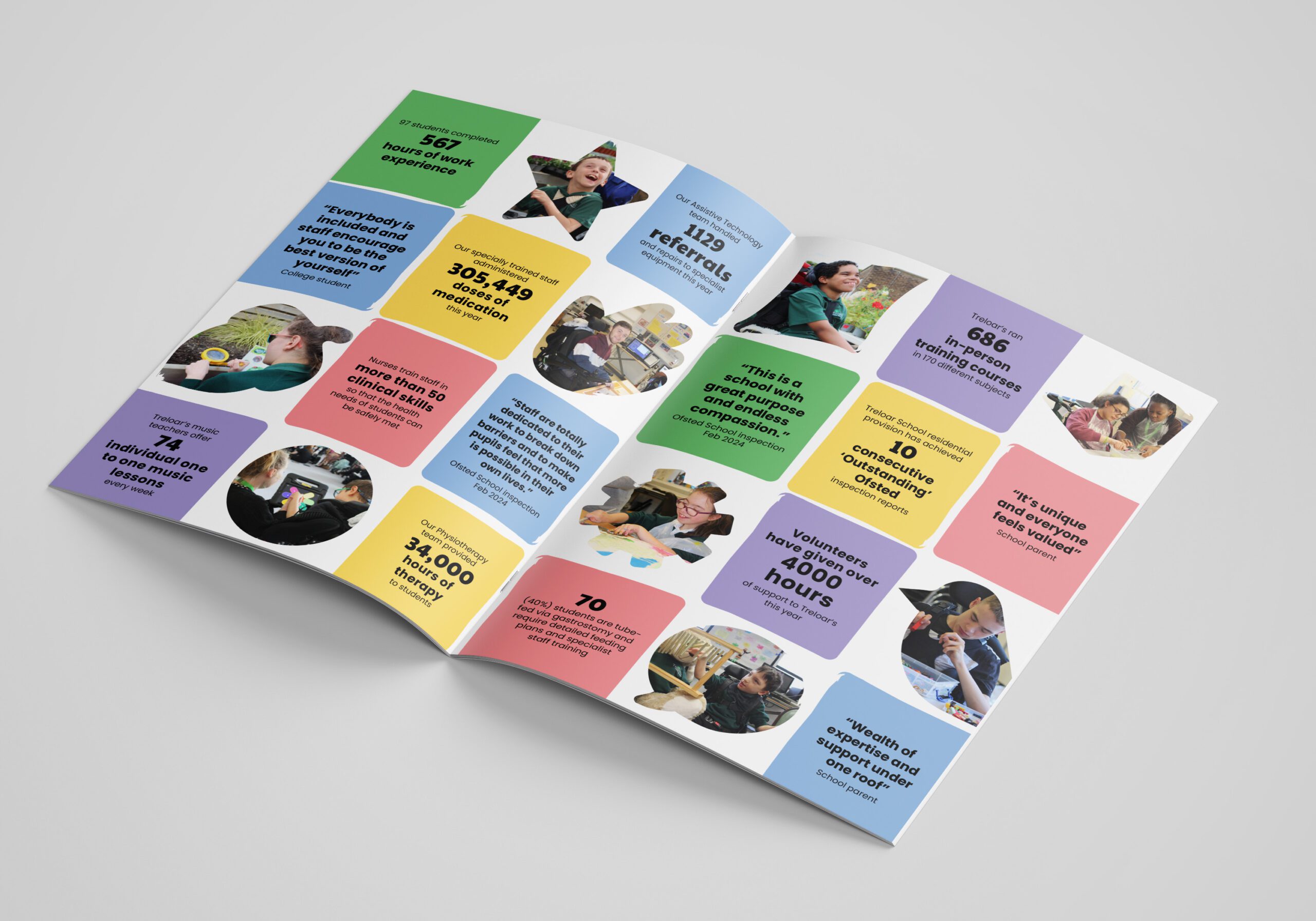
With Treloar’s, we designed and delivered print and mail campaigns that required clarity and visual warmth. Illustration helped humanise complex messaging, while strong design ensured the campaign remained consistent and easy to follow.
In each case, the outcome was the same: improved clarity, stronger consistency and meaningful visual differentiation.
How we help businesses leverage graphic design and illustration effectively
We work as a strategic creative partner rather than a production service. For many organisations, the real challenge isn’t generating ideas, it’s maintaining quality and consistency as demand increases. We support teams with ongoing creative work, covering everything from daily assets to long-term brand development.
Our design systems and illustration libraries help brands scale without losing control. We manage style consistency, refine creative direction and deliver fast turnarounds for busy teams who need reliable output. Everything is guided by human-led strategic thinking with digital execution.
Working with us results in fewer internal pressures, stronger creative foundations and assets that support your commercial goals.
Choosing the right creative direction for your brand
Choosing between graphic design and illustration depends on your brand’s maturity, audience, resources and long-term aims. If consistency and speed are your priorities, design gives you structure. If differentiation and storytelling matter more, illustration adds depth. But there’s a good chance you could benefit from combining the two within a strategic framework.
If you’re unsure where to start or want support shaping a direction that suits your organisation, we can help you build a creative approach that’s clear, scalable and commercially sound.
More insights
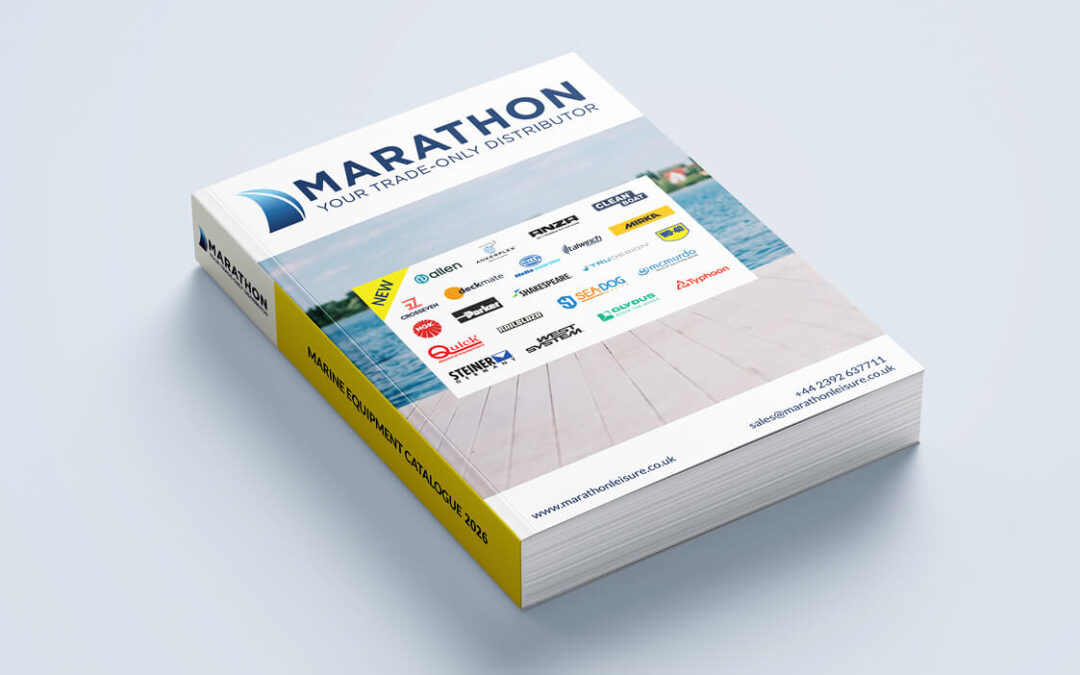
Catalogue design: how to create catalogues that inform, engage and sell
A practical guide to catalogue design, covering structure, formats and strategy to help your catalogues inform, engage and sell.
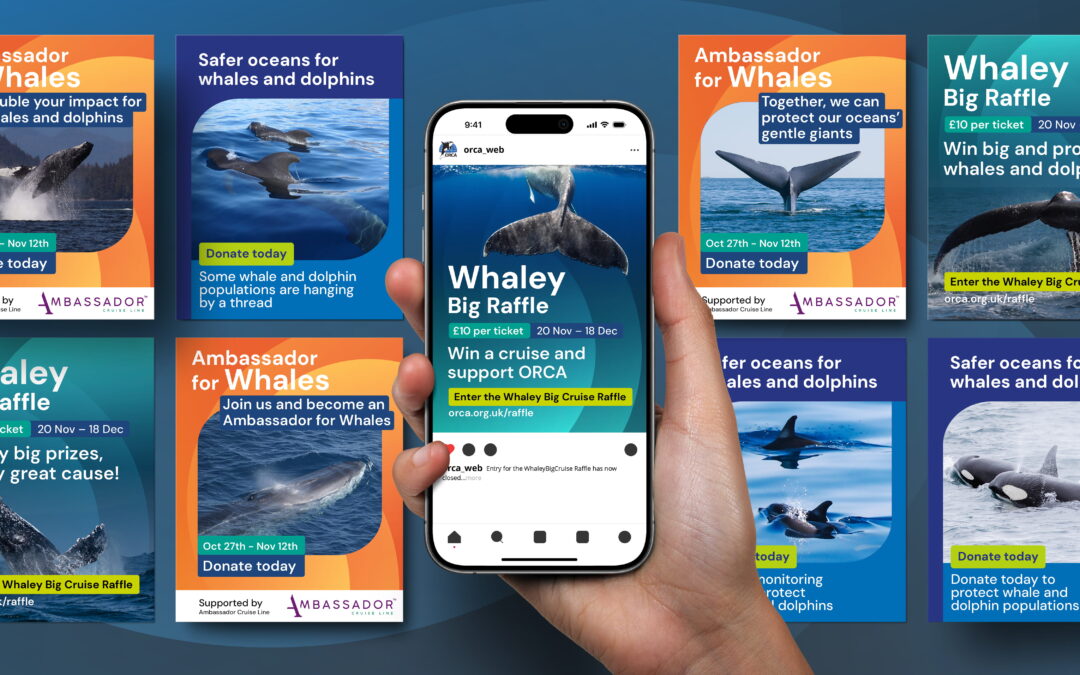
Charity fundraising ideas: how strong branding and design drive greater impact
Discover how strong branding and strategic design turn simple fundraising ideas into powerful charity campaigns that build trust, engagement and donations.
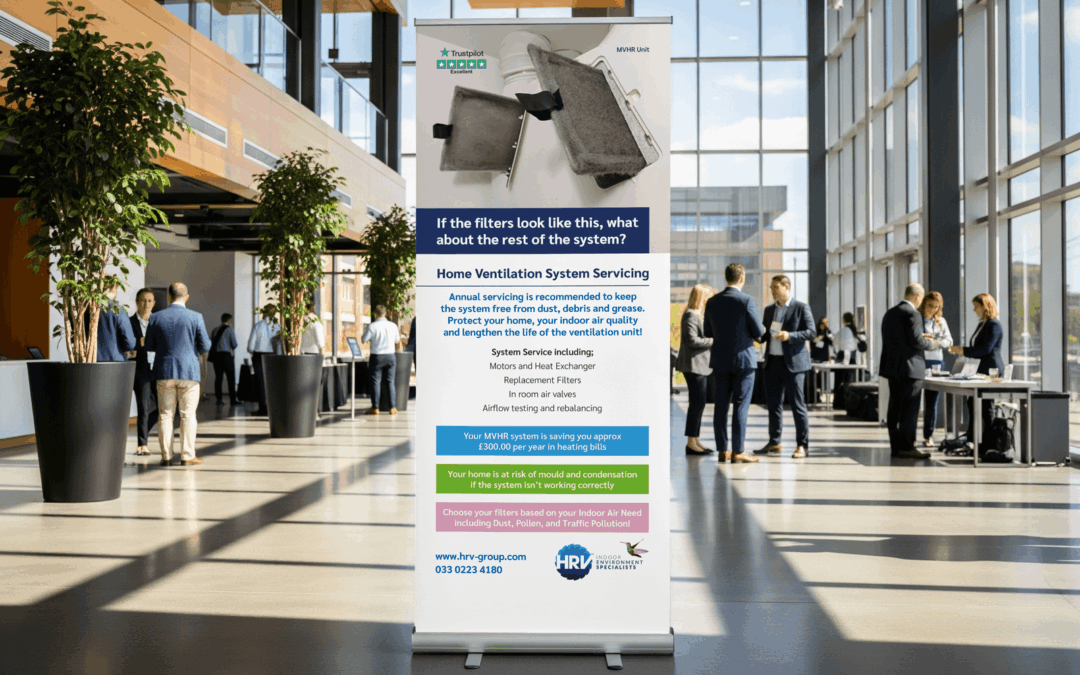
Exhibition stand design: a creative guide to making your brand stand out
A creative guide to exhibition stand design, focusing on graphics, messaging and content that help brands stand out before, during and after events.