
Impact report design that turns data into meaningful brand stories
Contents
Why impact report design matters more than ever
The most common problems with impact reports
What makes an impact report design truly effective?
Strategic impact report design for ESG, CSR & B Corp organisations
Our approach to impact report design at TGDH
Is it time to rethink your impact report design?
Follow us
Impact reports have become a vital part of how brands communicate their environmental, social and governance (ESG) commitments. Even though stakeholders expect transparency, showing large volumes of data alone doesn’t do the job.
Pages of statistics may demonstrate progress, yet without a clear narrative, they fail to explain what that progress represents. Luckily, strategic impact report design helps close this gap. By structuring information clearly and presenting data visually, you can transform complex sustainability metrics into meaningful brand stories.
At The Graphic Design House, we approach impact reports like the communication tools they are. That means connecting brand identity, sustainability commitments and stakeholder engagement. With thoughtful design, impact reports become a clear and credible way to show how you’re making a difference.
Why impact report design matters more than ever
Brands are under pressure to show responsible business practices as investors want transparency, employees want to understand purpose and regulators expect clear reporting.
The difficulty is that ESG reporting often means a lot of data, like environmental metrics, diversity figures, governance policies and community initiatives. All of which can quickly become overwhelming when presented without structure.
Without a strong design approach, reports risk feeling like compliance exercises rather than meaningful communication. Readers may struggle to identify the most important insights or understand how individual metrics connect to your wider strategy.
Professional annual impact report design with clear layouts, visual hierarchies and structured narratives allow readers to interpret information quickly. This also ensures that sustainability communication reflects your brand identity. When brand elements such as typography, colour systems and imagery are applied consistently, the report becomes part of your broader communication rather than just another document.
Most importantly, effective design improves engagement. When stakeholders can understand progress, they are more likely to engage with the content and trust the message behind it.
The most common problems with impact reports
Even brands with strong sustainability programmes can struggle to communicate their progress clearly. The problem is rarely the data itself, but how it is presented.
Too much data, not enough story
Presenting all of the data and statistics associated with ESG reporting without context makes them difficult to follow. Without a clear narrative, audiences are left to interpret the significance of the information themselves.
Design helps solve this by structuring reports around a clear storyline. Instead of presenting isolated figures, the report guides readers through your ambitions, actions and results.
ESG fatigue among audiences
As sustainability reporting becomes more widespread, audiences are exposed to an increasing number of reports. When reports are lengthy, repetitive or visually dense, readers disengage before reaching important insights. This creates a challenge when trying to communicate meaningful progress.
Visual storytelling can help address this. Infographics, summaries and clear layouts allow readers to absorb key information quickly without feeling overwhelmed.
Reports that don’t reflect the brand
Another common challenge is brand inconsistency. Sustainability reports are sometimes produced separately from other communications, which can lead to documents that feel disconnected from your identity.
When brand guidelines are applied consistently across typography, colour palettes and imagery, the report becomes a natural extension of your brand.
What makes an impact report design truly effective?
Effective impact reports begin with a structure that allows readers to move through the content easily, understanding both your intentions and its progress.
- Clear narrative structure: Following the simple sequence of vision, action, results and future priorities connects strategic goals with measurable outcomes.
- Strong visuals: Metrics and KPIs should be presented in ways that reduce complexity rather than add to it. Dashboards, charts and infographics can replace dense tables and technical explanations.
- Accessibility and readability: Clear typography, logical layouts and thoughtful use of white space make reports easier to read and navigate.
- Visual storytelling: Photography and case studies bring the data to life by showing the real-world impact behind sustainability initiatives.
- Design systems: These help unify complex frameworks. For example, icon sets can highlight sustainability themes or reference global goals while maintaining clarity throughout the report.
Ultimately, effective impact report design ensures that important insights stand out. When information is presented clearly, stakeholders can quickly understand both the progress made and the direction of future efforts.
Strategic impact report design for ESG, CSR & B Corp organisations
When you’re reporting on sustainability or social impact you often need to communicate complex metrics across environmental, social and governance areas.
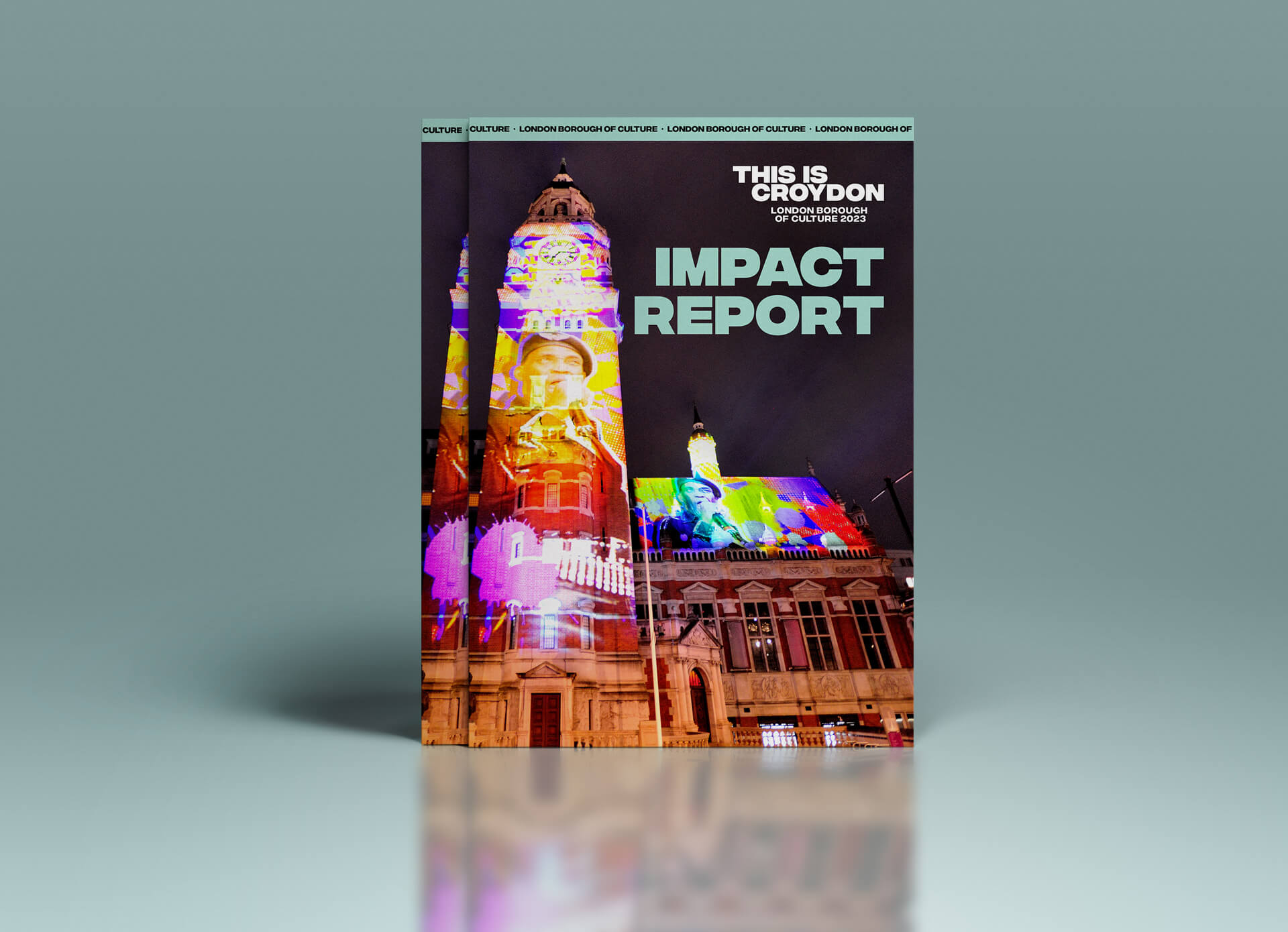
Design helps translate these metrics into visual narratives that readers can understand quickly. Charts, icons and structured layouts allow audiences to grasp key results without lengthy explanations, as we did for This is Croydon.
Consistent design systems also improve navigation. Visual cues can guide readers through different themes while maintaining a cohesive structure across the report.
This clarity is important when reports are reviewed by multiple audiences. Investors, employees, partners and regulators may all read the same document, each seeking different insights. Strong design ensures the report is accessible for everyone while reinforcing your brand values and communication style.
Our approach to impact report design at TGDH
Our approach to impact report design service begins with understanding the objectives behind the report and the audience it needs to reach.
Different audiences require different communication approaches. Some reports focus on investor transparency, while others aim to engage employees, partners or communities. Working closely with our clients, we identify the information that needs to stand out and how it supports the overall story.
We then structure the content into a clear narrative flow so the report moves logically from purpose to progress and future priorities. Using this structure, we develop visual systems that highlight key data points. Infographics, charts and typographic treatments can draw attention to the statistics and milestones that matter most.
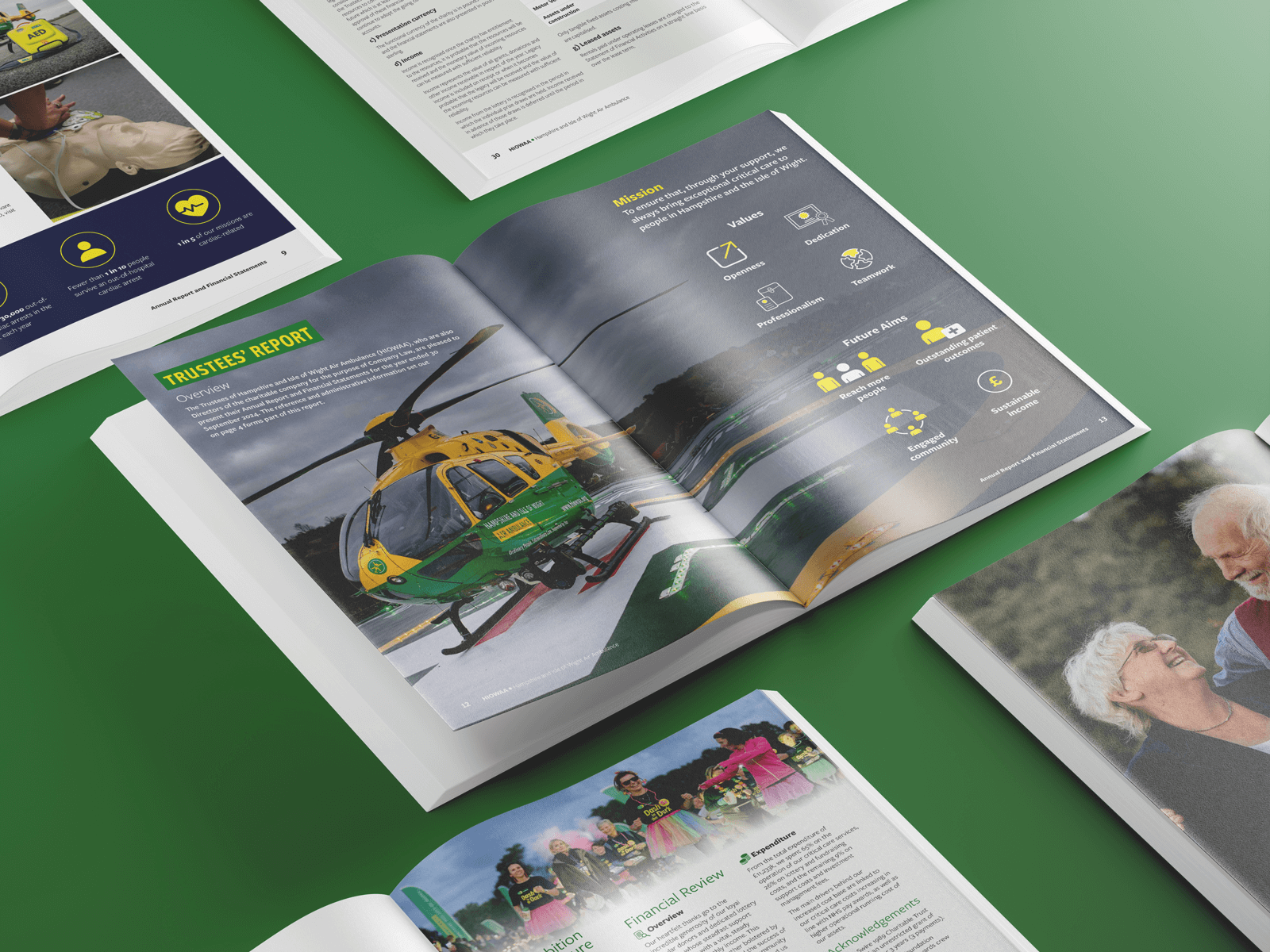
Our approach varies between sectors and audiences. We have designed impact reports across various industries, including the charity sector, sports and corporate businesses.
Throughout the process, we keep focus on brand consistency. In most cases, we work with existing brand guidelines to ensure the report reflects your identity from the beginning.
Throughout the process, we keep focus on brand consistency. In most cases, we work with existing brand guidelines to ensure the report reflects your identity from the beginning.
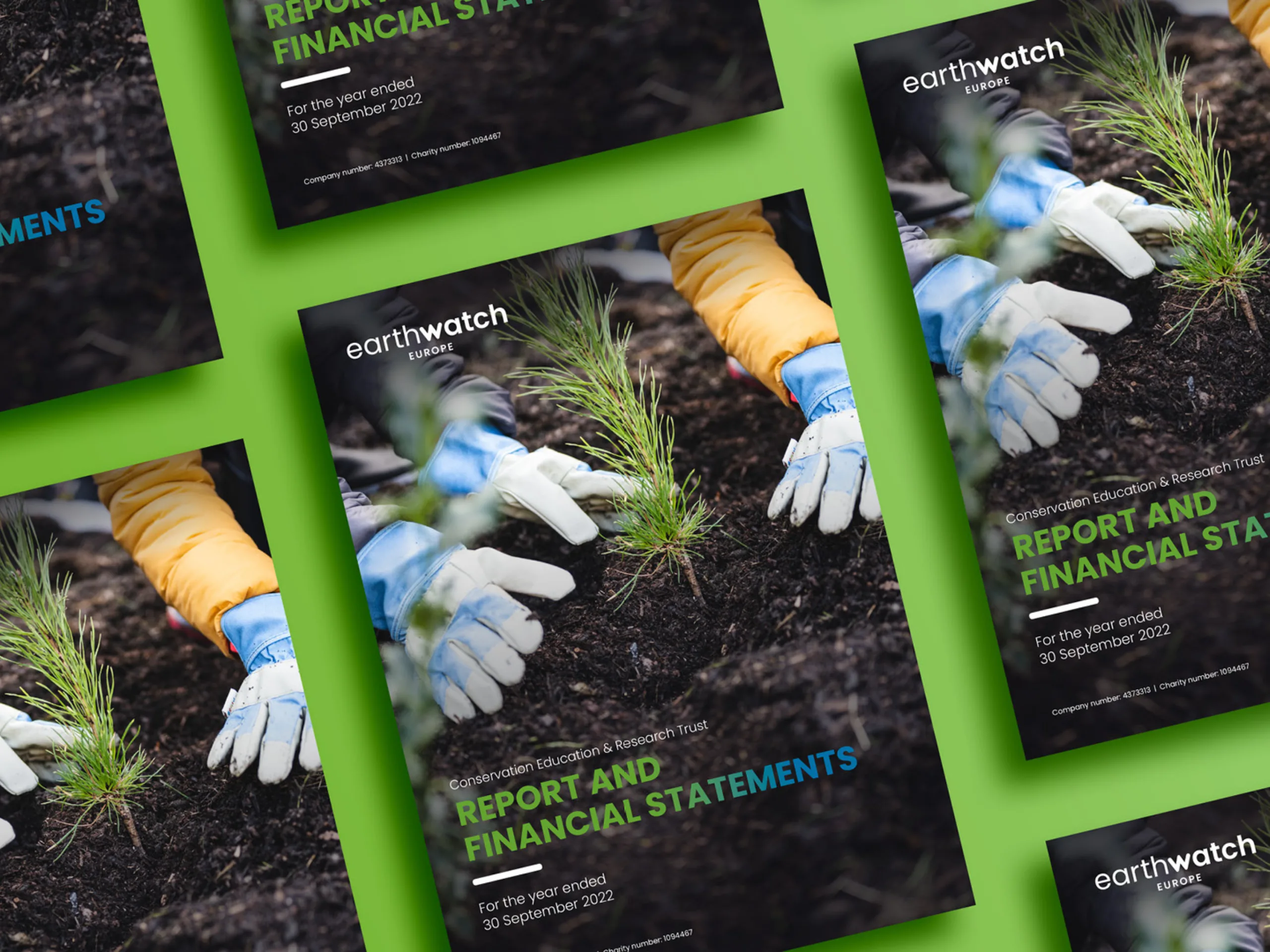
Whether you’re producing your first ESG report or refining an annual sustainability publication, our role is to help transform complex information into a clear and engaging report. Examples of how we’ve designed these assets for past clients include our projects for Earthwatch Europe and Women in Sport.

Is it time to rethink your impact report design?
If your past impact reports have felt dense, technical or difficult to navigate, it may be time to reconsider how the information is presented.
Sustainability reporting should do more than meet compliance requirements. When designed thoughtfully, it becomes a powerful communication tool that demonstrates progress and strengthens credibility.
We help organisations turn complex impact data into reports that communicate clearly and confidently. Reach out to us if you need help transforming your impact data into a powerful communication tool.
More insights
Annual report design: trends & best practices 2026
Explore annual report design trends for 2026, plus best practices that improve clarity, accessibility and stakeholder confidence.
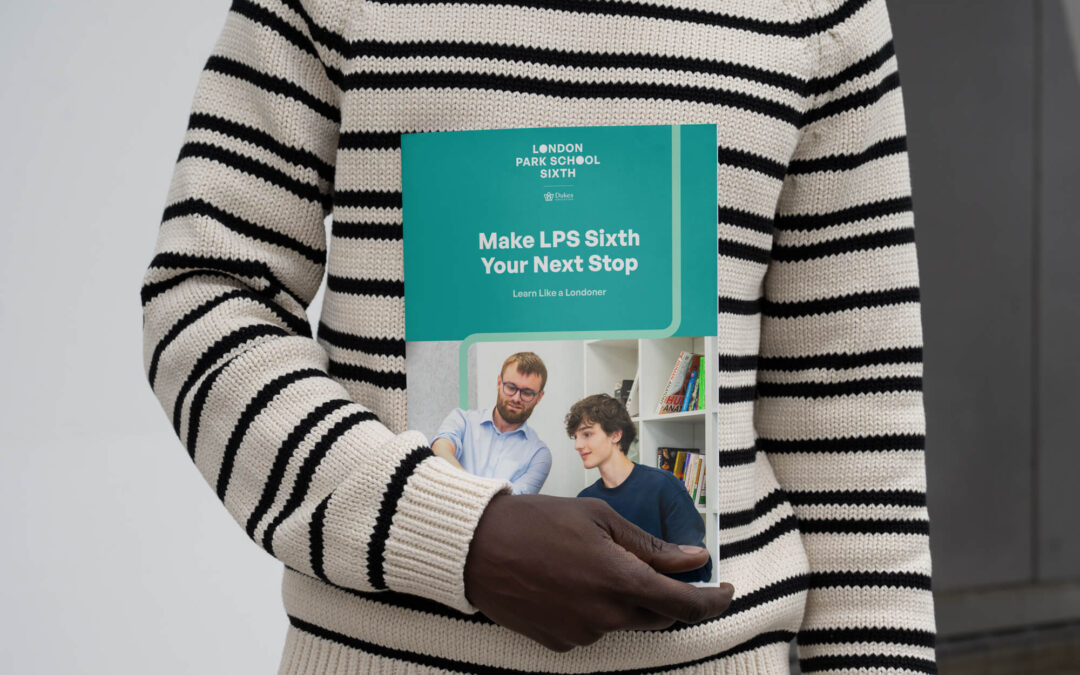
School prospectus design that reflects your identity
Strategic school prospectus design that builds trust, reflects your ethos and guides parents with clarity, structure and strong visual identity.
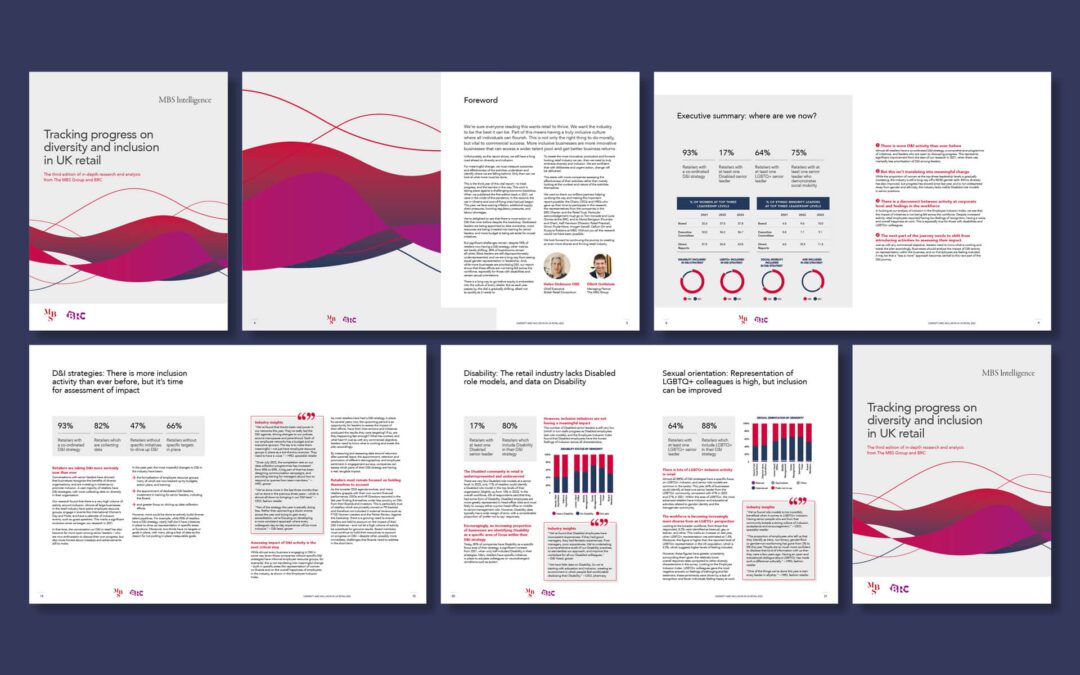
Corporate design: what it is, why it matters & how to get it right
Learn how corporate design strengthens recognition, builds trust and helps your brand perform across every touchpoint with a clear, modern visual system.